
Cinematic Corporate Brand Films: The 2026 Strategic Guide for B2B Excellence
In a market where 91% of businesses use video to reach their audience, simply appearing on screen is no longer a competitive advantage. If your current content feels like a series of uninspired talking heads, you're likely struggling to communicate a complex value proposition that truly reflects your global ambitions. The era of generic corporate video is over. Today, high-growth companies are turning to cinematic corporate brand films to bridge the gap between being a service provider and becoming a trusted strategic partner.
You know that your brand deserves a premium market position, yet it's difficult to build that instant trust when your visual identity feels small. We understand the pressure of managing high-stakes projects where every piece of communication must signal excellence. This guide will show you how cinematic storytelling transforms standard messaging into high-impact narratives that drive B2B growth and brand authority. We'll examine how to leverage narrative psychology and 2026 production standards to ensure your content works across every marketing channel while positioning you as the definitive leader in your industry.
Key Takeaways
- Learn why narrative-driven storytelling is more effective than direct selling for capturing the attention of modern B2B executives.
- Understand the psychology behind the "film look" and how it signals institutional stability and scale to potential partners.
- Discover how cinematic corporate brand films deliver a superior ROI by offering a longer shelf life and higher engagement metrics than standard corporate videos.
- Master the pre-production process to uncover your "Hero Narrative" and ensure every visual asset serves your broader growth strategy.
- Explore the benefits of a collaborative production partnership that prioritizes broadcast-quality aesthetics and strategic business outcomes.
Defining Cinematic Corporate Brand Films in 2026
A standard Corporate film often serves a functional purpose, such as internal training or basic service overviews. However, cinematic corporate brand films represent a higher tier of strategic communication. These assets aren't just about capturing footage; they are about crafting a narrative that mirrors the complexity and scale of your business operations. While a 30-second commercial is built to drive a quick click, a 3-minute brand film is designed to build a relationship. It provides the breathing room necessary to articulate a sophisticated value proposition that standard, rapid-fire advertising simply cannot accommodate.
Many "standard" corporate videos fail because they rely on repetitive talking heads and uninspired B-roll. This approach often makes a global company appear small or local. In a market where demand for corporate video production has risen by 22% in the last two years, standing out requires more than just high resolution. It requires a visual language that signals stability and excellence. High-end aesthetics do more than look good. They establish immediate market authority by showing potential partners that your brand values precision and quality at every level of its operation.
The Shift from Promotion to Storytelling
Modern B2B buyers are savvy and increasingly resistant to traditional sales pitches. They crave authentic narratives that reveal the people and the purpose behind the corporate logo. Cinematic films bridge the gap between "what we do" and "who we are," creating an emotional resonance that facts alone cannot achieve. By integrating company profile video services into your broader identity, you create a cohesive story that lives across all your marketing channels. This narrative-first approach transforms your business from a vendor into a partner, making your brand more relatable without sacrificing professional polish.
Key Elements of a Cinematic Aesthetic
Achieving a cinematic look involves deliberate technical choices that influence viewer perception. The choice between anamorphic and spherical lenses is a prime example. Anamorphic lenses provide a wider, more immersive field of view and unique light flares that audiences subconsciously associate with high-budget cinema. Similarly, a curated color palette ensures brand consistency while evoking specific emotional responses from the viewer. These details aren't merely decorative; they're strategic tools used to guide the audience's journey through your brand story. We define cinematic brand films as strategic visual legacies rather than temporary marketing collateral.
The Psychology of Cinema: Building B2B Trust
Trust in the B2B sector is rarely built on technical specifications alone. Decision makers look for signals of stability, scale, and professional maturity before committing to high-stakes partnerships. This is where cinematic corporate brand films perform a vital strategic function. The "film look" acts as a psychological proxy for institutional strength. By utilizing the same visual language as high-end broadcast content, your company subconsciously aligns itself with established, global leaders. This aesthetic choice signals that your business possesses the resources and the discipline to execute at the highest level.
Storytelling is not merely a creative choice; it's a biological one. Research by cognitive psychologist Jerome Bruner suggests that stories are 22 times more memorable than facts alone. When you present data within a narrative arc, you engage the viewer's brain on multiple levels, triggering the release of oxytocin and dopamine. These chemicals foster a sense of connection and reward. By moving beyond a simple list of features, you ensure that your value proposition remains top of mind long after the video ends.
Pacing and sound design serve as the silent conductors of this emotional journey. Cinematic pacing allows you to control the flow of information, using slow, deliberate camera movements to suggest gravitas and confidence. Simultaneously, professional sound design elevates the perceived value of your brand. Clean, immersive audio removes the "amateur" friction that often plagues standard corporate video, ensuring your message is received with the intended authority. If you are curious about how these elements can be tailored to your specific goals, you can explore our production standards to see these principles in action.
Visual Metaphor in Corporate Narratives
Visual metaphors allow you to show your company culture rather than just telling people about it. Instead of stating that you are "innovative," you can use high-contrast lighting and sharp, architectural B-roll to visualize that concept. We've seen this work effectively when turning an industrial warehouse into a cinematic landscape. By using dramatic lighting and wide-angle lenses, a functional space is transformed into a symbol of logistical power and efficiency, communicating scale without a single word of dialogue.
Emotional Resonance in High-Stakes Decision Making
Every high-ticket B2B transaction involves a significant human element. Behind the corporate contracts are individuals who want to minimize risk and feel confident in their choice. Cinematic films reduce this perceived risk by humanizing the brand and showcasing the people behind the process. Leveraging professional video for brand awareness is a proven method for shortening the sales cycle. It builds a foundation of familiarity and trust before the first discovery call even takes place.
Cinematic vs. Traditional Corporate Video: A Strategic Comparison
Traditional corporate video often functions as a tactical tool designed for immediate, short-term communication. It prioritizes the "what" and the "how," typically resulting in functional but forgettable content. In contrast, cinematic corporate brand films are a strategic investment in your company's long-term identity. While the initial resource allocation for a cinematic production is higher, the return on investment is realized through significantly higher retention rates and a much longer shelf life. Businesses that leverage high-quality video marketing experience revenue growth that is 49% faster than those that don't, according to verified industry data. This growth isn't just about volume; it's about the quality of the leads attracted by a premium brand presentation.
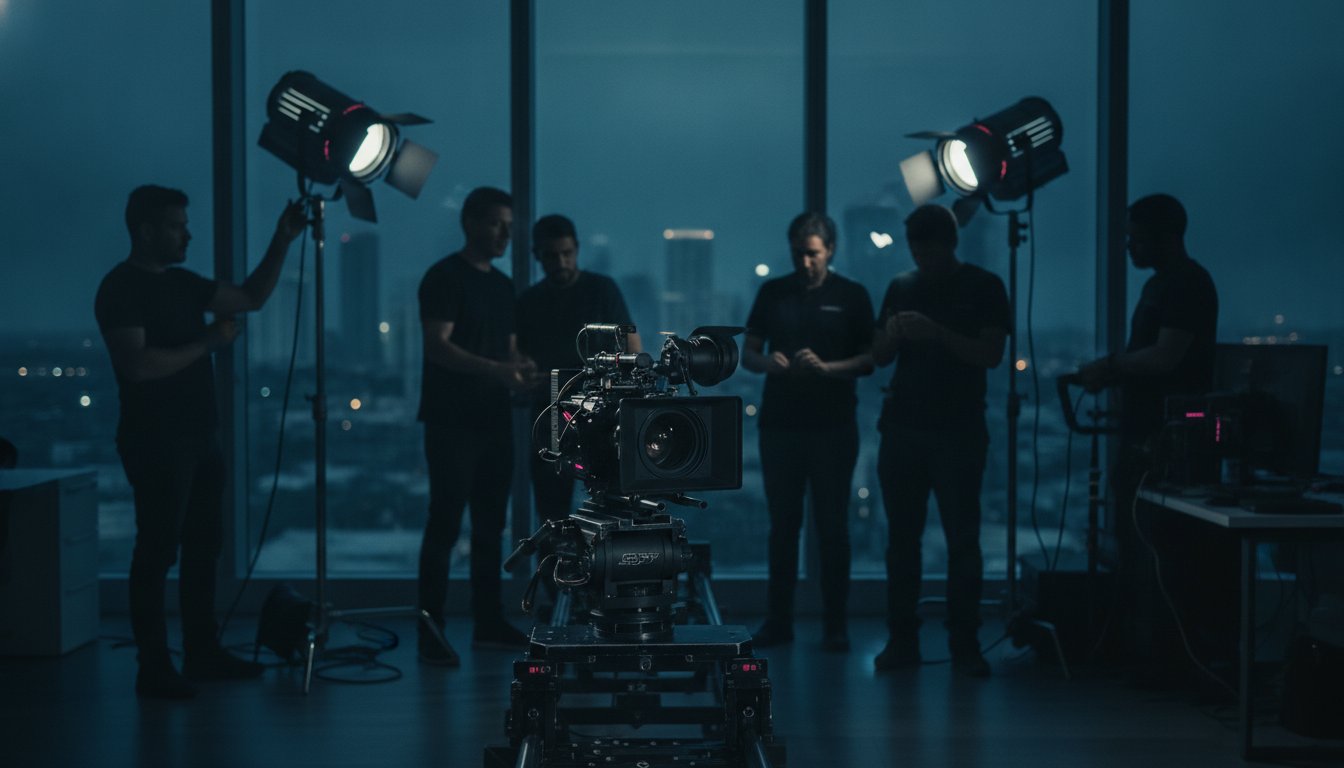
The production requirements for a cinematic project are more intensive than a standard interview setup. You're moving from a single operator with a tripod to a specialized crew that includes a Director, a Director of Photography, and lighting technicians. This professional infrastructure ensures that every frame is intentional. Beyond the primary film, this level of production offers incredible versatility. A single three-day cinematic shoot can yield dozens of high-value social assets, vertical clips for LinkedIn, and high-resolution stills. This "capture once, use everywhere" approach maximizes your budget by providing a library of content that maintains a consistent, broadcast-quality aesthetic across all marketing channels.
When to Choose Cinematic Production
Choosing a cinematic approach is most effective during pivotal company milestones. If you are navigating a major rebranding, preparing for a significant fundraising round, or entering a new global market, the visual stakes are at their highest. In these scenarios, a standard video can actually cause brand damage by making a sophisticated operation look unpolished. When evaluating b2b video production miami standards, it's clear that the "cheap" option often becomes the most expensive one when it fails to convert high-value prospects or requires replacement within six months.
The "Shelf Life" Advantage
A primary benefit of cinematic production is its inherent longevity. While news-style corporate updates become dated almost instantly, cinematic films remain relevant for three to five years because they focus on evergreen values and mission-driven narratives. By prioritizing high-end production techniques and timeless storytelling, you ensure your content doesn't feel "stuck" in a specific year. High production value acts as an insurance policy against content obsolescence. This allows your brand to maintain a modern, authoritative presence without the need for constant, costly reshoots.

Developing Your Brand Film Strategy in South Florida
Strategy in the B2B space is the difference between a video that looks nice and one that converts. When producing cinematic corporate brand films in South Florida, the pre-production phase acts as the foundation for your entire visual legacy. This is the most critical stage of the project. It's where we move beyond the surface level of your operations to uncover the "Hero Narrative" that exists within your corporate structure. This process requires a deep dive into your business goals and market positioning to ensure the final product resonates with high-level decision makers.
Successful distribution starts on day one of pre-production. We plan for a multi-channel approach, ensuring the high-end visuals we capture can be repurposed into vertical content for social platforms or high-impact loops for trade show booths. This level of foresight guarantees that your investment works as hard as possible across every digital touchpoint. In a region where demand for corporate video has risen by 22% in the last two years, a well-executed strategy is what separates industry leaders from the rest of the pack.
The Discovery Phase: Uncovering the Story
The discovery phase is where the real story lives. Instead of reciting a mission statement, we look for the human elements and the "why" behind your brand. Stakeholder interviews are essential here; they reveal the challenges your company has overcome and the specific value you bring to your partners. Integrating video growth strategy consulting at this stage ensures your script isn't just creative, but strategically aligned with your long-term revenue targets. It's about finding the human conflict and resolution that makes your corporate journey compelling to a global audience.
Location Strategy: From Fort Lauderdale to Naples
South Florida provides a unique backdrop that can significantly elevate a film's production value. From the sharp, modern architecture of Miami's financial district to the expansive, professional environments in Fort Lauderdale and Naples, the region offers a diverse range of cinematic landscapes. However, filming here requires navigating specific logistical hurdles. Managing the intense Florida heat, timing the "golden hour" lighting, and securing the necessary municipal permits are all part of our rigorous production management. Using local landmarks grounds your brand in the Miami business community, signaling both your local presence and your global reach. If you are ready to define your visual narrative, you can schedule a strategy consultation to begin the discovery process.
Partnering for Cinematic Success: The Miami Video Production Approach
Executing high-stakes visual communication requires more than technical proficiency. It demands a partnership that aligns creative vision with specific business outcomes. When we develop cinematic corporate brand films, our approach begins with a collaborative pre-production process that mirrors a strategic consultation. We don't just capture scenes; we engineer a visual asset designed to collapse the trust cycle for your B2B prospects. This methodical alignment ensures that every creative decision, from lens choice to narrative structure, serves your overarching growth strategy and reinforces your market authority.
The technical execution is where broadcast-standard equipment meets cinematic storytelling. We utilize high-end sensors and optics that provide the dynamic range necessary for a truly professional image. However, the gear is only as effective as the technical direction behind it. Our directors and producers manage the complexities of large-scale sets, ensuring that high-pressure timelines are met without compromising the aesthetic integrity of the project. This level of oversight is what allows a brand to project "premium reliability" to its global partners.
Post-production serves as the final layer of sophistication. We employ color grading and sound design techniques that rival feature films to ensure your brand feels established and elite. In a market where 86% of Miami companies are expected to use video as their primary marketing strategy by late 2026, these finishing touches are what prevent your content from blending into the digital noise. The result is a polished, results-oriented narrative that thrives under the scrutiny of corporate decision-makers.
Why a Local Partner Matters for Miami Brands
Choosing a partner with deep roots in South Florida offers distinct advantages that an outside agency might overlook. We understand the logistical landscape, from the nuances of local permitting in Miami-Dade to the specific way the coastal light interacts with modern glass architecture. This local expertise allows for a smoother production experience and direct access to specialized crews who understand the Miami corporate market. A long-term strategic partnership provides significantly more value than a one-off vendor relationship because it allows for a consistent visual identity as your brand scales.
Next Steps: From Vision to Premiere
Preparing your team for a cinematic production requires clear internal alignment. You'll need to identify key stakeholders early and set realistic timelines that allow for the detailed pre-production and post-production phases required for high-end work. A typical project of this scale is a multi-week commitment that rewards patience with a lasting visual legacy. To begin this process, we recommend a strategy-first consultation to define your brand's unique narrative path and ensure your production goals are fully aligned with your 2026 growth targets.
Defining Your Visual Legacy for 2026 and Beyond
The shift toward narrative-driven communication is no longer optional for brands aiming for global authority. By prioritizing cinematic corporate brand films, you move beyond mere promotion and enter the realm of strategic storytelling that resonates with high-level decision makers. We've explored how narrative psychology collapses the trust cycle and why a South Florida location strategy requires meticulous production management to succeed in an increasingly competitive landscape.
Investing in broadcast-quality production standards ensures your brand's visual identity remains relevant for years to come. This approach isn't just about high-end aesthetics; it's about a strategic partnership that understands the nuances of corporate communication. We combine deep expertise in South Florida corporate landscapes with a commitment to excellence that thrives under pressure. Every frame we capture is designed to reinforce your market position and signal long-term stability to your global partners.
It's time to transform your standard messaging into a high-impact narrative that drives growth. Elevate your brand with a cinematic film from Miami Video Production and begin building a visual legacy that reflects your true scale. We look forward to helping you lead your industry with confidence.
Frequently Asked Questions
What is the difference between a corporate video and a cinematic brand film?
A cinematic brand film prioritizes narrative psychology and broadcast-quality aesthetics over the purely informational focus of a standard corporate video. While traditional videos often serve as tactical updates, cinematic corporate brand films are strategic assets designed to build long-term trust. They use film-grade lighting, lenses, and pacing to create an emotional resonance that standard interviews cannot achieve.
How much should a cinematic corporate brand film cost in 2026?
The cost of a cinematic production is determined by the specific scope of the project, including crew size, location logistics, and technical complexity. Because these films require specialized directors and high-end equipment, they represent a significant investment compared to basic video content. Most serious corporate partners view this as a multi-year marketing asset rather than a one-time expense.
How long does the production process take for a high-end brand film?
A high-end production typically spans six to twelve weeks from the initial discovery phase to the final premiere. This timeline allows for thorough pre-production, which is the most critical stage for aligning the narrative with your business goals. Post-production, including professional color grading and sound design, usually requires three to five weeks to ensure a broadcast-quality finish.
Can a "boring" industry like manufacturing or finance benefit from cinematic video?
Industries like finance or manufacturing benefit immensely from cinema because it translates abstract concepts into tangible, human-centric stories. By using visual metaphors and high-end lighting, we can transform a production floor or a digital service into a compelling narrative of innovation and reliability. This approach helps sectors that are traditionally seen as dry stand out in a crowded B2B market.
How do we measure the ROI of a cinematic brand film?
Measuring ROI involves tracking qualitative shifts in brand perception alongside quantitative metrics like audience retention and lead conversion quality. Cinematic corporate brand films are designed to collapse the trust cycle, often resulting in shorter sales cycles for high-ticket services. Many firms also track engagement rates across multiple channels where the content is repurposed.
What is the ideal length for a cinematic corporate brand film?
The ideal length for a primary brand film is generally between two and four minutes. This duration provides enough space to develop a sophisticated narrative without losing the viewer's attention. For multi-channel strategies, we also produce shorter cutdowns of 15 to 60 seconds that are optimized for platforms like LinkedIn or YouTube Shorts.
Do we need a professional scriptwriter for our brand film?
Professional scriptwriting is essential because cinematic storytelling requires a different structural approach than standard marketing copy. A screenwriter understands how to weave your value proposition into a "Hero Narrative" that feels authentic rather than sales-driven. This expertise ensures that the dialogue and visual cues work together to build maximum authority.
How often should a company update its brand film?
Most companies should update their primary brand film every three to five years to ensure the visuals and messaging remain current. If your business undergoes a major rebranding, a merger, or a significant shift in strategic direction, an earlier update may be necessary. High production value ensures your content doesn't feel dated as quickly as news-style videos.
